NASA Logo, National Aeronautics and Space Administration
header

The Sun Emits an M5.9 Solar Flare

Officials Meet in Washington to Discuss Solar Storms, Great and Small

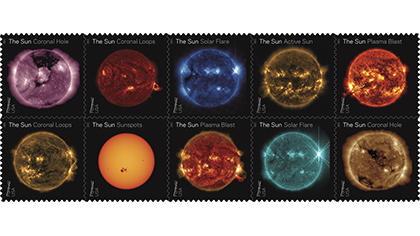
06.08.13 – The sun emitted a mid-level solar flare, peaking at 6:49 p.m. on June 7, 2013. Solar flares are powerful bursts of radiation. Harmful radiation from a flare cannot pass through Earth's atmosphere to physically affect humans on the ground, however — when intense enough — they can disturb the atmosphere in the layer where communications signals travel. This disrupts the radio signals for as long as the flare is ongoing, anywhere from minutes to hours.

This flare is classified as an M5.9 flare. M-class flares are the weakest flares that can still cause some space weather effects near Earth. This flare caused a moderate radio blackout, rated an R2 on the National Oceanic and Atmospheric Administration’s space weather scales, which range from R1 to R5. It has since subsided.

>> Read More

More News Features

06.04.13Officials Meet in Washington to Discuss Solar Storms…
05.31.13NASA Invites Media to Space Weather Enterprise Forum
05.22.13NASA's SDO Observes Mid-level Solar Flare
05.21.13NASA's BARREL Mission Launches 20 Balloons
05.20.13Auroras Visible in Continental U.S.
05.17.13NASA's STEREO Detects a CME From the Sun
05.13.13Impacts of Strong Solar Flares
04.16.13Spring Fling: Sun Emits a Mid-Level Flare
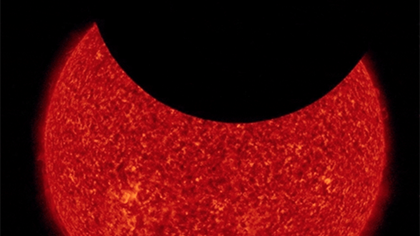
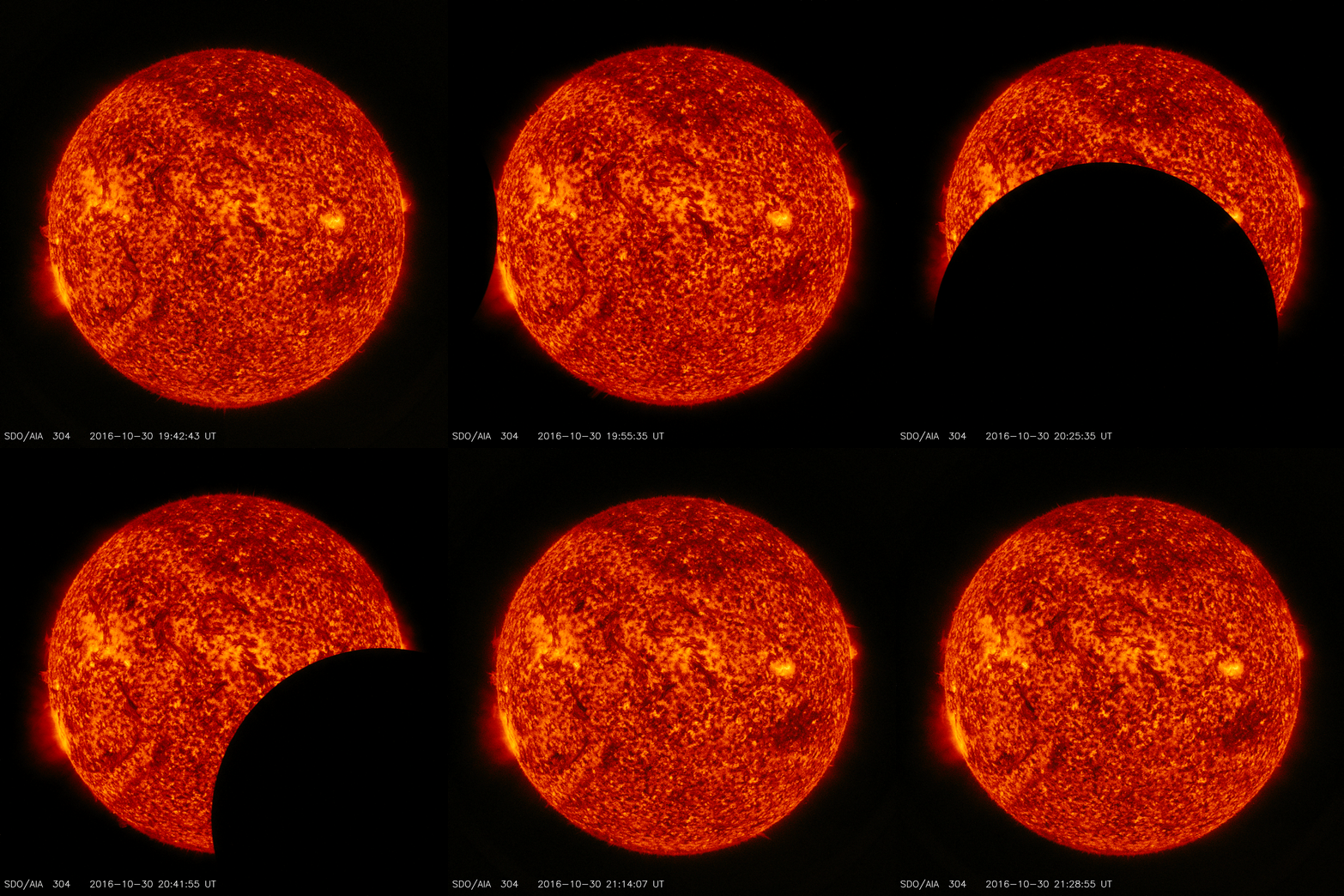
03.11.13NASA's SDO Sees an Eclipse and a Transit
03.08.13Solar Wind Energy Source Discovered

>> Go to Newsroom


The LWS Program provides missions to improve our understanding of how and why the Sun varies, how the Earth and Solar System respond, and how the variability and response affects humanity in Space and on Earth.

LWS Mission Status

NET = No Earlier Than

Related Sites

Documentation

LWS Directives Requirements List
+ Download | PDF | 3 Pages | 20KB
NASA logo
Goddard Space Flight Center